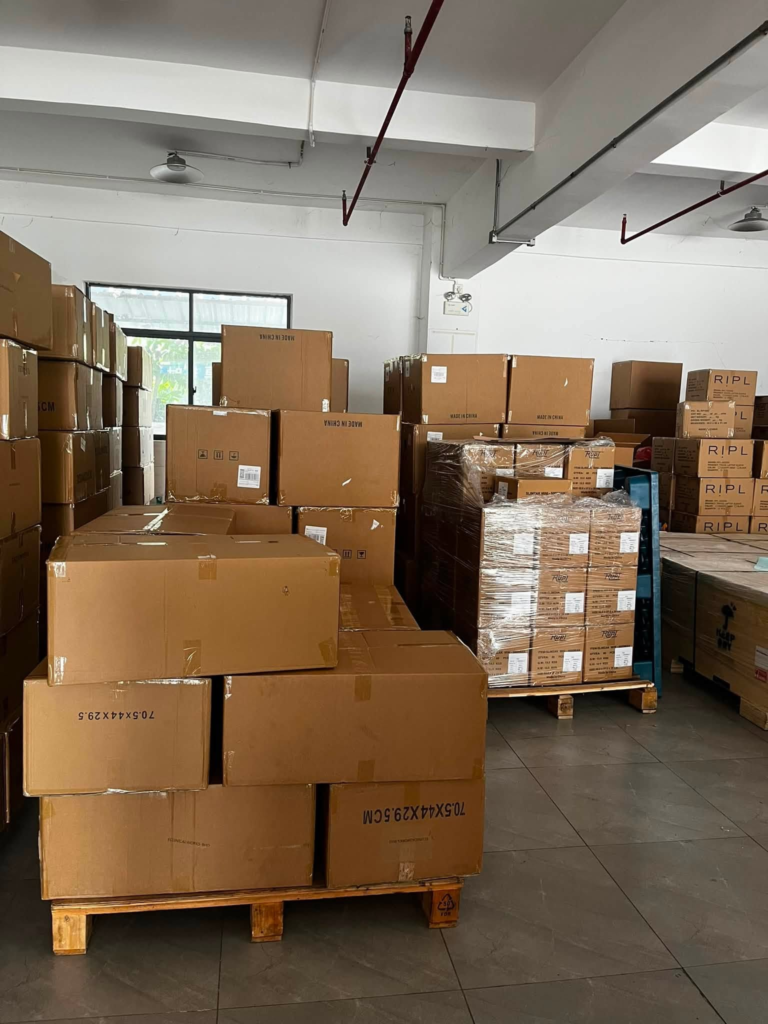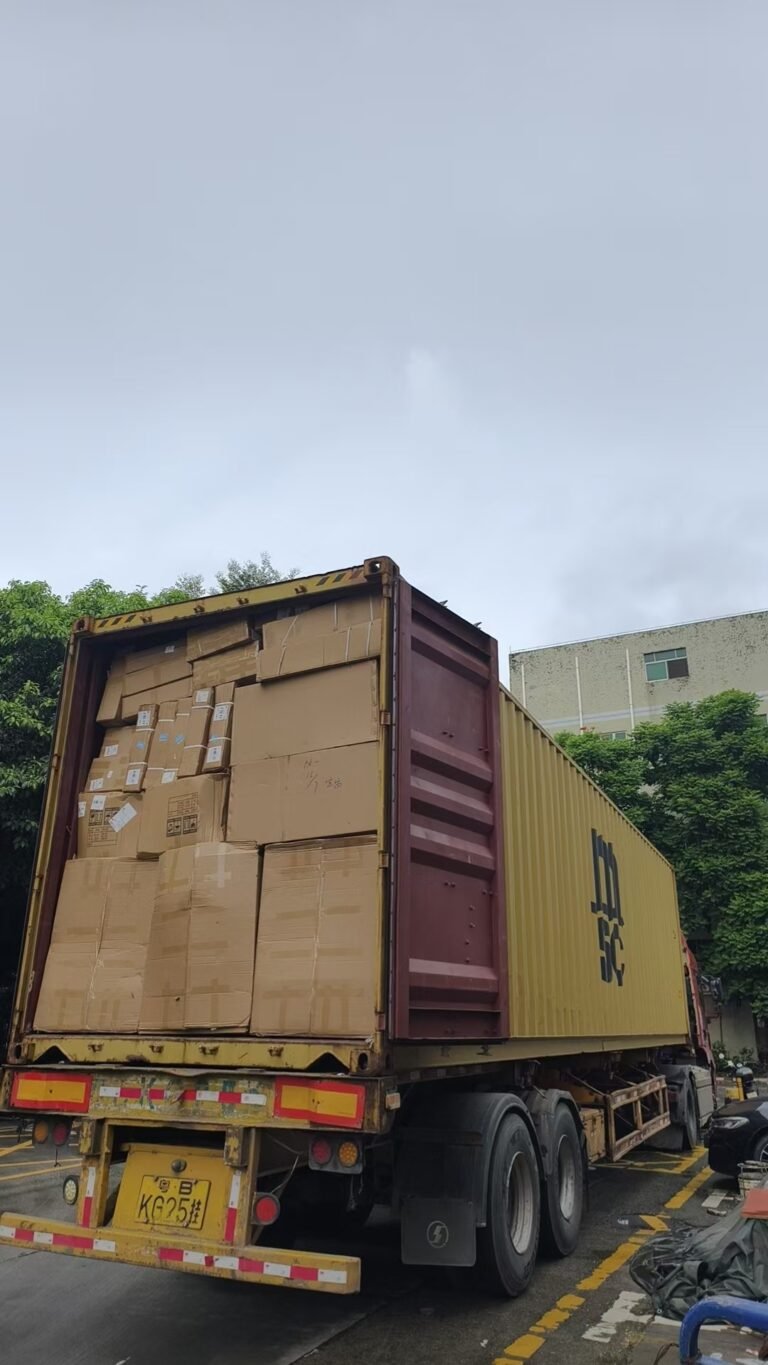

You’ve finally found the right supplier in China. The samples look good. The price works. You’re ready to place your first order.
Then your supplier asks: “Who’s handling the shipping?”
And suddenly, you’re staring at a spreadsheet of freight quotes — FCL vs LCL, DDP vs DAP, air vs sea — wondering which one is actually right for your business.
If this sounds familiar, you’re not alone. Singapore imported over US$62.8 billion worth of goods from China in 2025. That’s thousands of importers, just like you, figuring out the same thing.
This guide walks you through exactly what you need to know — written from your perspective, not a freight forwarder’s sales pitch.
First, a Quick Decision Guide
Not sure where to start? Here’s a simple framework:
| Your Situation | Recommended Shipping Method |
|---|---|
| Samples or urgent restock (<50kg) | Express courier (1–3 days) |
| Urgent shipment (50–500kg) | Air freight (2–4 days) |
| First trial order (1–5 CBM) | LCL sea freight (7–14 days) |
| Regular orders (>15 CBM) | FCL sea freight (5–10 days) |
| Multiple suppliers | Consolidation + LCL or FCL |
Still unsure? The rest of this guide breaks down every option in detail.
Your 4 Shipping Options from China to Singapore
✈️ Option 1: Air Freight – Fastest, Most Expensive
Air freight is the fastest way to get goods from China to Singapore, typically taking 2–4 days.
When to choose air freight:
- Your shipment is urgent (restock, seasonal launch, time-sensitive)
- Your goods are high-value relative to weight
- You’re shipping 45–500 kg (too heavy for courier, too small for sea)
Cost range (2026): Air freight from China to Singapore typically costs $1.70–$2.10 per kg for shipments over 100 kg. Express courier rates are higher, around $4.00 per kg.
What to watch for: Air freight is charged by chargeable weight — the greater of actual weight or volumetric weight (L × W × H ÷ 6000). A lightweight but bulky item can cost much more than you expect.
🚢 Option 2: Sea Freight – Cheapest, Most Common
Sea freight is the dominant choice for most Singapore importers. It’s significantly cheaper than air freight, though it takes longer — typically 5–10 days for FCL.
When to choose sea freight:
- Your shipment is large or heavy (furniture, machinery, bulk goods)
- You’re not in a rush and want to minimise costs
- Your shipment exceeds roughly 1 CBM
2026 cost ranges:
| Mode | Cost | Transit Time |
|---|---|---|
| FCL 20GP | $450–$750 | 5–10 days |
| FCL 40HQ | $750–$1,250 | 5–10 days |
| LCL | $30–$150 per CBM | 7–14 days |
Heads up: Freight forwarding prices in Singapore rose 4.5% quarter-on-quarter in Q1 2026. Rates are trending upward, so factor that into your planning.
🔀 FCL vs LCL: Which One Is Right for You?
This is one of the most common questions Singapore importers ask.
| Factor | FCL (Full Container Load) | LCL (Less than Container Load) |
|---|---|---|
| Best for | Shipments over 15 CBM | Shipments under 15 CBM |
| Transit time | 5–10 days | 7–14 days (+ consolidation wait) |
| Cost per unit | Lower | Higher |
| Risk of damage | Lower | Higher (shared container) |
A practical rule: If your shipment is approaching 15 CBM, FCL makes more sense. If you’re shipping 1–5 CBM, LCL is your only practical option unless you want to pay air freight rates.
One catch with LCL: Your cargo might wait several days at the origin warehouse for consolidation. Always ask your forwarder for total transit time, not just port-to-port.
📦 Option 3: Supplier Consolidation – The Multi-Supplier Solution
If you’re buying from multiple suppliers in China, consolidation can save you significant costs.
Instead of paying separate freight and customs charges for each supplier, a forwarder collects goods from different factories, combines them into one shipment, and handles all the paperwork. You pay once. You clear customs once.
Why this matters: If you’re sourcing from 3 different suppliers for packaging, product, and accessories, consolidation could save you 15–25% on shipping costs compared to shipping each separately.
🚚 Option 4: Express Courier – For Small Parcels
For samples, documents, and urgent small parcels under 50 kg, express couriers like DHL, FedEx, and UPS are the fastest option — typically 1–3 days.
Door-to-Door DDP vs Port-to-Port: What’s the Difference?
This is where many importers get confused. Your freight forwarder may offer both options — and the price difference can be significant.
Port-to-Port: You arrange your own pickup from the Singapore port, handle customs clearance yourself, and arrange your own local delivery. Cheaper, but more work.
Door-to-Door DDP: Your freight forwarder handles everything — pickup in China, export clearance, international freight, Singapore customs clearance, GST payment, and delivery to your address. One all-in price.
For first-time importers, DDP is usually the smarter choice. The slightly higher cost is offset by the time saved and the reduced risk of customs errors. For experienced importers with established customs relationships, port-to-port may offer savings.
What You Actually Pay: Understanding Singapore’s Import Costs
The freight quote you receive is only part of the picture. Here’s what determines your total landed cost.
GST: 9% on Almost Everything
Singapore charges 9% Goods and Services Tax (GST) on the CIF value of imported goods. CIF = Cost (value of your goods) + Insurance + Freight (shipping cost to Singapore).
GST relief: Goods imported by air or post with a CIF value not exceeding S$400 are eligible for GST relief. This relief does not apply to sea freight — all sea freight imports are subject to GST regardless of value. Liquor and tobacco are never eligible.
Example: If you import goods worth SGD 10,000 by sea freight, with insurance of SGD 100 and freight of SGD 900, your CIF value is SGD 11,000. GST at 9% is SGD 990.
Key takeaway: Your freight cost feeds directly into your GST calculation. A cheaper freight quote might still result in higher total cost if it’s not structured efficiently.
Can you claim GST back? If you’re a GST-registered business in Singapore, you can claim the import GST as input tax on your next GST return. If you’re not GST-registered, the GST becomes a final cost.
Import Duty: Zero for Almost Everything
Singapore is essentially a free port. Only four categories attract customs duty:
- Intoxicating liquors
- Tobacco products
- Motor vehicles
- Petroleum products
For everything else — electronics, homeware, apparel, accessories, industrial goods — the import duty is 0%.
Required Documentation
To clear your goods through Singapore Customs, you need:
- Commercial invoice — showing product value, description, buyer/seller details
- Packing list — detailing weights, dimensions, and package contents
- Bill of Lading (sea) or Air Waybill (air) — issued by your carrier
- Customs Import Permit — obtained via TradeNet before the goods arrive
The Singapore Customs Process: What You Need to Know
Even with 0% duty, you still need to clear customs. Here’s what actually happens.
Before Your First Import: Register with Singapore Customs
To import goods into Singapore, you need to:
- Register for a Unique Entity Number (UEN) with ACRA
- Activate your Customs Account
- Apply for Inter-Bank GIRO to make payments to Singapore Customs
- Obtain a Customs Import Permit via TradeNet — before the goods arrive
What happens if you don’t have a permit? Your goods can be held at the port, incurring storage and demurrage charges.
Common Mistakes That Cause Delays
- Incorrect HS code classification
- Missing or incomplete invoice details
- Declaration of incorrect CIF value
- Trying to import prohibited or controlled goods without proper approval
A good freight forwarder checks your documentation before shipment, not after it arrives.
How to Choose the Right Freight Forwarder
With the basics covered, here’s how to actually evaluate freight forwarders.
What to Look For
1. On-the-Ground Presence in China
Does the forwarder have an office in the Chinese city you’re shipping from? A forwarder with boots on the ground in Shenzhen, Guangzhou, or Ningbo can inspect your cargo before loading, catch packaging issues early, and negotiate directly with carriers.
2. Singapore Import Experience
Singapore’s TradeNet system and GST rules are specific. A forwarder who regularly handles Singapore-bound shipments will know the documentation requirements and common pitfalls.
3. Transparent Pricing
Ask for a full itemised breakdown:
- Freight cost (port-to-port)
- Documentation and handling fees
- Customs clearance fees
- GST (if included in DDP)
- Delivery to your address (if included)
If a forwarder can’t provide this breakdown, that’s a red flag.
4. DDP Capability
If you want a hassle-free experience, choose a forwarder who offers door-to-door DDP with GST handling included. This saves you from dealing with separate invoices from freight, customs, tax, and delivery providers.
5. Supplier Consolidation
If you’re buying from multiple suppliers, look for a forwarder who offers consolidation. Instead of paying separate freight and customs charges for each supplier, you pay once.
6. Client References
Ask for references from current Singapore-based clients. A legitimate forwarder will have no trouble providing them.
Red Flags to Avoid
- Quotes significantly below market rates — there’s usually a catch
- Reluctance to provide a detailed breakdown — opacity is where hidden fees live
- No physical presence in China — you’re dealing with a middleman
- Vague answers about customs procedures — they may not actually handle clearance
Why This Matters: What You’re Really Paying For
A freight forwarder isn’t just moving boxes. They:
- Reduce risk — correct documentation, proper classification, Singapore Customs compliance
- Save time — one point of contact instead of managing suppliers, carriers, and customs separately
- Prevent delays — catching issues before they cause problems
- Optimise costs — choosing the right mode, consolidating shipments, avoiding unnecessary charges
The difference between a good forwarder and a bad one isn’t just price — it’s whether your shipment arrives on time, on budget, and without surprises.
Why Choose Luicargo as Your Freight Forwarder from China to Singapore
We’re a China-based freight forwarder and sourcing agent with 6 years of experience shipping to Singapore. Here’s what we offer:
- ✅ On-the-ground presence in Shenzhen — we’re close to your suppliers
- ✅ Sea freight (FCL & LCL) — from Chinese ports to Singapore Port
- ✅ Air freight — from Shanghai, Guangzhou, Shenzhen to Changi
- ✅ DDP door-to-door — customs, GST, and delivery handled
- ✅ Supplier consolidation — combine orders from multiple suppliers
- ✅ Transparent pricing — full itemised breakdown, no hidden fees
- ✅ 1688 and Taobao sourcing support — we can help you navigate China’s domestic platforms
- ✅ Singapore expertise — we know TradeNet, GST, and local delivery
📦 Ready to ship? Contact us today for a free, tailored quote.
Just tell us:
- What you’re shipping (product type)
- Approximate quantity, weight, and dimensions
- Your target delivery date
We’ll get back to you within 24 hours with a clear quote and a shipping plan.
FAQ: Shipping from China to Singapore
Q: How long does shipping from China to Singapore take?
- Express courier: 1–3 days
- Air freight: 2–4 days
- Sea freight (FCL): 5–10 days
- Sea freight (LCL): 7–14 days (plus consolidation time)
Q: How much does it cost to ship from China to Singapore?
- Air freight: $1.70–$2.10 per kg (100+ kg)
- Sea freight (20GP): $450–$750
- Sea freight (40HQ): $750–$1,250
- Sea freight (LCL): $30–$150 per CBM
Q: Do I need to pay GST on imports to Singapore?
Yes. Singapore charges 9% GST on the CIF value of most imported goods. GST relief applies only to air/post imports under S$400 (excluding liquor and tobacco).
Q: What is the cheapest way to ship from China to Singapore?
Sea freight (LCL) is the most cost-effective for smaller volumes. FCL is cheaper per unit for shipments over 15 CBM.
Q: What documents do I need to ship to Singapore?
Commercial invoice, packing list, bill of lading/airway bill, and a Customs Import Permit via TradeNet. Permits must be obtained before the goods arrive.
Q: Can I claim GST back on imports?
If you’re a GST-registered business in Singapore, yes — you can claim import GST as input tax on your next GST return.
Q: Can you consolidate shipments from multiple suppliers?
Yes. We consolidate orders from multiple suppliers into single shipments — saving you freight costs and simplifying customs.
Q: How do I get started?
Tell us about your shipment — product type, quantity, weight, and dimensions — and we’ll provide a quote and a plan within 24 hours.