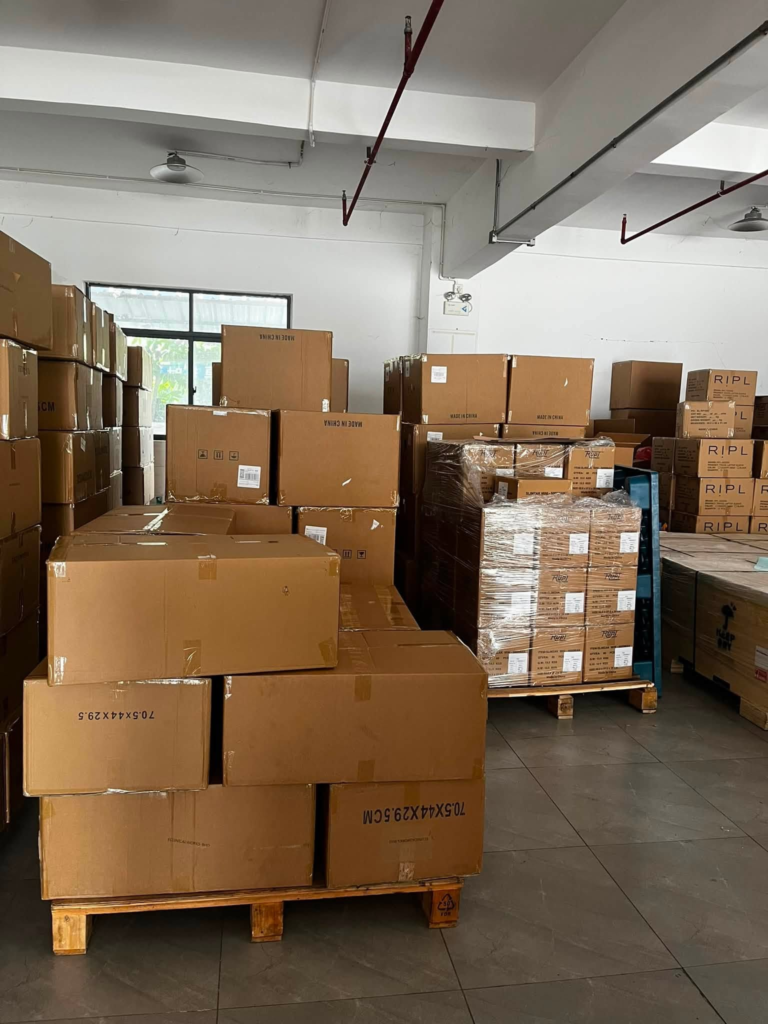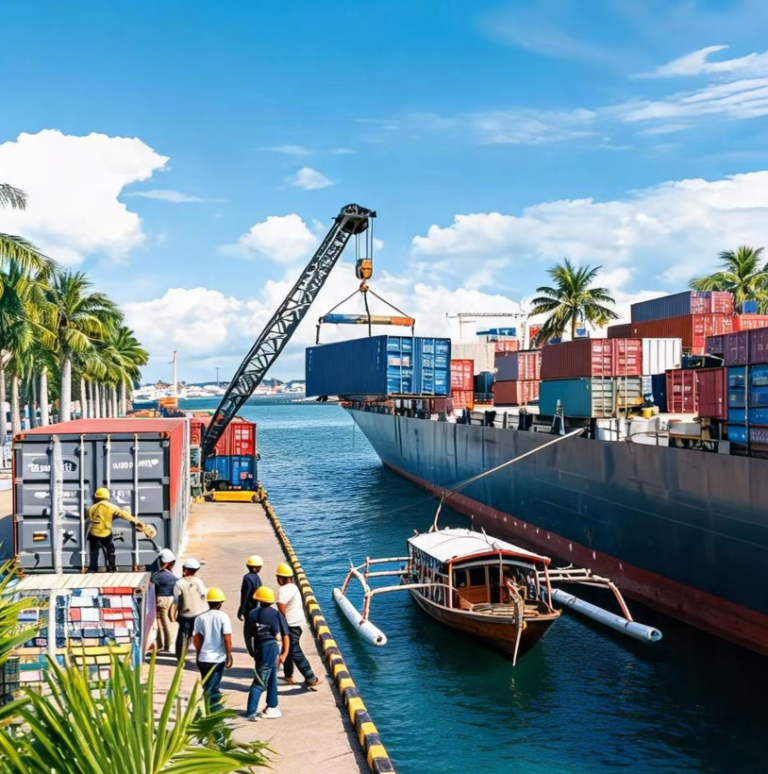

Shipping from China to France isn‘t like shipping to Germany or the Netherlands. The French have their own customs quirks — and one of them just changed in 2026, catching a lot of importers off guard.
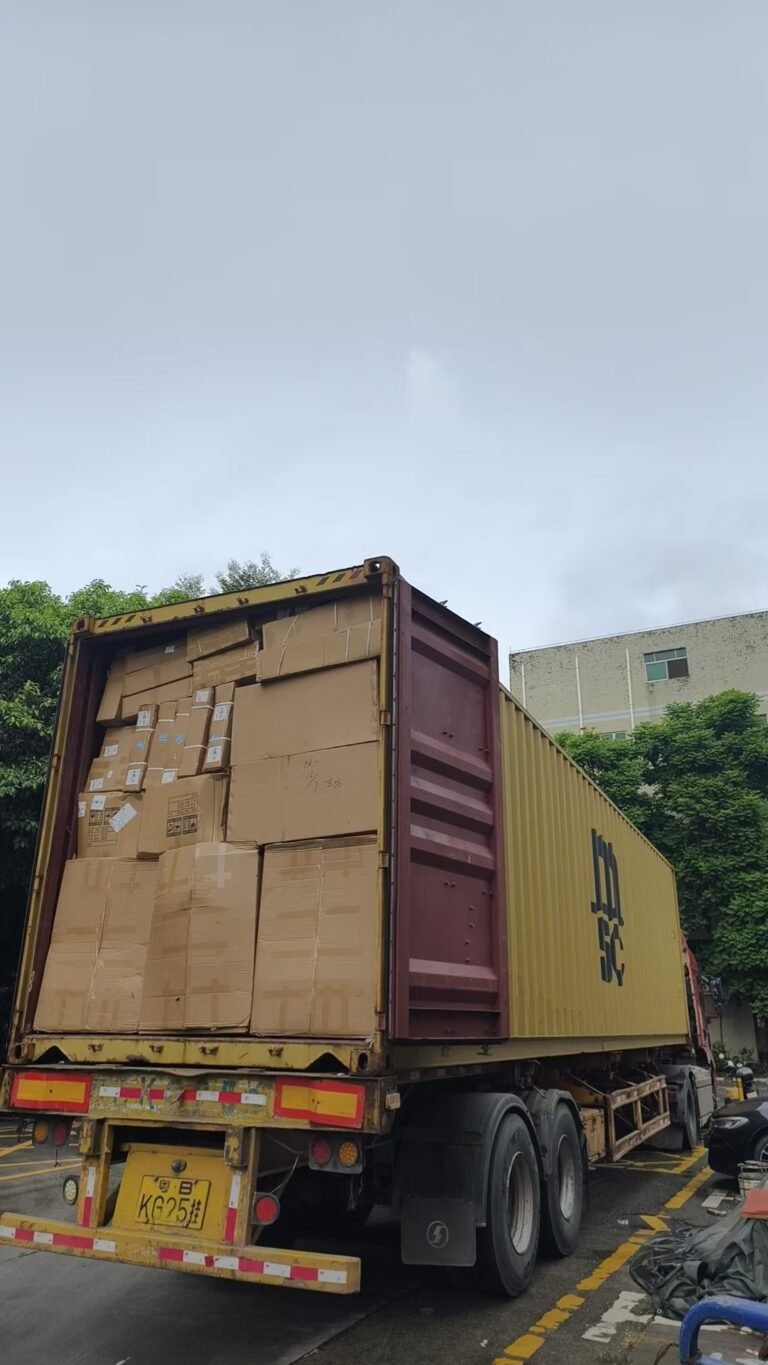
I found out the hard way with my first French client. He ran a small textile business near Aubervilliers, just outside Paris. We’d done a few successful sea shipments to Le Havre together, and everything was smooth. Then in January 2026, I sent a 20ft container of garments from Ningbo. I thought it would be routine.
It wasn‘t. French customs flagged the shipment because we were still using Regime 42 — a VAT simplification procedure that France abolished on 1 January 2026. I hadn‘t updated our process. The container sat at Le Havre for six days. Storage fees: €480. My client wasn’t angry, but he was clear: “I need you to understand how France works, not just how Europe works.”
I fixed it. But that call taught me something: France changed its rules this year, and if your freight forwarder is still operating on last year‘s playbook, you‘re going to pay for it.
Since then, I‘ve shipped for two long-term French clients across air, sea, rail, and express courier — and I‘ve learned exactly where the pitfalls are. Here‘s what I wish I‘d known from day one.
Client One: The Textile Importer Who Needed Sea Freight
My first French client — the one from Aubervilliers — imports garments from Zhejiang and Guangdong. His orders are bulky, heavy, and not urgent. For him, sea freight is the only viable option.
China to France sea freight cost for a 40ft container from Shanghai to Le Havre runs roughly $4,700 to $5,600 as of May 2026, depending on the carrier and booking timing. Transit time is 28-35 days for direct sailings, or 35-45 days for transshipment routes.
But here‘s what the quotes don‘t tell you: Le Havre is one of France‘s strictest ports. Customs inspections are more frequent than in Rotterdam or Hamburg, and clearance efficiency directly affects your storage costs. We learned to prepare all documentation before the container arrived — commercial invoice, packing list, bill of lading, and the French EORI number — so clearance could happen the same day.
The lesson for sea freight to France: Le Havre handles France‘s largest container volume, but it‘s not forgiving of paperwork errors. Hire a forwarder who knows French customs, not just “EU customs.”
Client Two: The Cosmetics Brand That Used Everything
My second French client is a cosmetics brand based in Lyon. They source from multiple factories in Guangzhou and Shenzhen — skincare products, packaging components, and some finished goods. Over the past year, we‘ve used air, sea, rail, and express courier depending on urgency, volume, and cost.
Sea Freight: The Workhorse
For their bulk packaging orders — glass bottles, pumps, and cartons — sea freight is the only option. A 40ft container from Shenzhen to Le Havre runs roughly $4,200 to $5,200, with transit times of 28-35 days.
Sea freight LCL to France rates hover around $90-$180 per CBM for groupage shipments, with transit times of 30-45 days. But LCL‘s real cost isn‘t the CBM rate — it‘s the consolidation wait at the origin CFS (Container Freight Station). Your cargo might sit for 7-10 days before the container is even loaded.
For a cosmetics shipment valued at €30,000, the 20% French import VAT alone is €6,000. My client budgets for this now, but first-timers often don‘t. And since Regime 42 was abolished, you can‘t defer that VAT unless you‘re registered for French VAT and using the reverse-charge mechanism.
Rail Freight: The Middle Ground
When my cosmetics client needs something faster than sea but cheaper than air, we use rail. China to France rail freight transit time runs 15-18 days door-to-door, at costs of €2-3 per kg.
The route goes through Xi‘an or Chengdu, across Kazakhstan and Russia, into Poland, then Germany, and finally France. One thing to note: rail shipments to France often arrive at hubs in Germany or Belgium first, then truck into France. The customs process is the same as sea — EORI, TARIC codes, commercial invoice, and the French import declaration.
Air Freight: The Emergency Button
Sometimes my cosmetics client needs a sample batch or a new product launch in a hurry. That‘s when we use air freight. China to France air freight cost runs €3.5-8 per kg for shipments over 100kg, with transit times of 5-7 days.
For a 200kg shipment of sample products, the air freight premium over sea is significant. But for a product launch where being two weeks late means missing the retail window, it‘s worth every euro.
Express Courier: DHL and UPS
For urgent samples or small batches under 50kg, DHL and UPS are the fastest option. Rates can hit $6-$12 per kg, but the goods arrive in 3-5 days, with customs clearance handled by the carrier.
Shipping Methods Compared: Air vs Sea vs Rail vs Express
| Method | Transit Time | Cost Range | Best For |
|---|---|---|---|
| Air Freight | 5-7 days | €3.5-8/kg | Urgent, high-value, 100-500 kg |
| Sea Freight (FCL 20ft) | 28-35 days | $1,440-$1,760 | 15+ CBM, bulk orders |
| Sea Freight (FCL 40ft) | 28-35 days | $2,205-$2,695 | Large volumes |
| Sea Freight (LCL) | 30-45 days | $90-$180/CBM | 1-13 CBM, cost-sensitive |
| Rail Freight | 15-18 days | €2-3/kg | Mid-value, time-sensitive |
| Express (DHL/UPS) | 3-5 days | $6-12/kg | Samples, urgent small batches |
Note: Sea freight rates are for May 2026 and fluctuate weekly. Red Sea tensions have added surcharges of $2,000-$4,000 per container on some carriers.
The 2026 Rule Changes That Caught Everyone Off Guard
Here‘s what changed this year — and what every French importer needs to know.
Regime 42 Is Dead
This is the biggest change for non-EU businesses importing into France. From 1 January 2026, France abolished Customs Procedure 42, the VAT simplification that allowed goods to move across EU borders without upfront import VAT.
What this means for you: If you‘re a non-EU business importing into France under DDP terms, you can no longer use the simplified Regime 42 procedure. You must now register for French VAT and hold your own French EORI number. Even if you still use Regime 42, you‘ll face the same VAT registration and reporting burdens as any French importer.
The good news: France operates an automatic reverse charge for import VAT — similar to the UK‘s postponed VAT accounting. Once registered for French VAT, importers can defer payment and declare and recover it simultaneously through their French VAT return, resulting in a cash-neutral position.
The €150 Duty Exemption Is Gone
Since 1 July 2026, the EU abolished the duty-free threshold for low-value shipments. Now, a flat €3 customs duty per item applies to shipments under €150, plus the standard 20% French import VAT.
For high-volume, low-value orders — phone cases, accessories, small cosmetics — this adds up fast. France had also introduced a national €2 “small parcel tax” on 1 March 2026, but suspended it on 1 July 2026 when the EU-wide €3 duty took effect.
EORI Number Structure Changed
From 1 January 2026, France changed its EORI number format. The old format was FR + 14 digits (based on SIRET). The new format is FR + 9 digits (based on SIREN).
What this means for you: If you registered for an EORI before 2026, check whether your number has been updated. Your freight forwarder needs the correct format to file customs declarations.
What Actually Matters When Choosing a Forwarder for France
After two years and two clients, here‘s my shortlist of what to check:
Do they know Regime 42 is gone? This is the single biggest compliance change for non-EU importers in 2026. A forwarder still using the old procedure will cause delays. A forwarder who understands the new VAT registration and reverse-charge mechanism will keep your goods moving.
Can they handle French VAT registration? If you‘re importing regularly under DDP, you may need to register for French VAT and file periodic returns. Your forwarder should either handle this or have a fiscal representative who can.
Do they understand French EORI numbers? The format changed in 2026. Make sure your forwarder knows the new FR + 9 digits structure. If they‘re still using the old format, your declarations will be rejected.
Do they know Le Havre vs Marseille? Le Havre is the main gateway for Paris and northern France. Marseille serves the Mediterranean and southern France. Each port has different terminal procedures, congestion patterns, and inland transport connections.
Will they put everything in writing? Verbal assurances about “handling everything” are worthless when customs is holding your goods. Get the scope of work in writing — especially around VAT registration and fiscal representation.
Frequently Asked Questions
Q: Do I need an EORI number to import from China to France?
Yes. Every importer needs a valid French EORI number with the FR prefix. Since January 2026, the format is FR + 9 digits (SIREN-based). You cannot clear customs without it.
Q: How much is import VAT in France?
The standard rate is 20% on most goods. A reduced rate of 5.5% or 10% applies to certain categories. VAT is calculated on the customs value plus duty.
Q: What is Regime 42 and why was it abolished?
Regime 42 was a VAT simplification that allowed importers to defer import VAT when goods were immediately dispatched to another EU member state. France abolished it on 1 January 2026 to strengthen VAT compliance.
Q: What is the €3 customs duty?
Since 1 July 2026, the EU applies a €3 flat customs duty per item on shipments under €150 from non-EU countries, plus 20% import VAT. This is a temporary measure until July 2028.
Q: What is the cheapest way to ship from China to France?
Sea freight LCL is the most cost-effective for shipments under 13 CBM. For larger volumes, FCL containers offer better per-unit rates. Rail freight is a middle option — faster than sea, cheaper than air.
Q: How long does sea freight take from China to France?
Sea freight from Shanghai to Le Havre typically takes 28-35 days door-to-door for direct sailings.
Q: What is DDP shipping to France?
DDP (Delivered Duty Paid) means your freight forwarder handles customs clearance, duty, VAT, and delivery. You pay one all-in price. But since Regime 42 is gone, you may still need a French VAT number depending on the structure.
Q: Can I ship from China to France without a French company?
Yes, but it‘s more complicated than before. Since Regime 42 was abolished, non-EU businesses importing under DDP need to register for French VAT and hold their own EORI number. Alternatively, a fiscal representative can act on your behalf.
If You‘re Shipping to France for the First Time
Here‘s the short version from someone who learned the hard way:
- Get a French EORI number before your first shipment. The new format is FR + 9 digits.
- Understand the Regime 42 changes. If you‘re using DDP, you may need to register for French VAT. Don‘t assume the old procedures still work.
- Budget for 20% VAT on top of your product cost. The reverse-charge mechanism can make it cash-neutral, but only if you‘re registered.
- Use rail for mid-value, time-sensitive cargo. It‘s the sweet spot between sea and air.
- Work with a forwarder who knows Le Havre. France‘s main port is strict, and local expertise matters.
We ship from China to France regularly — Le Havre, Marseille, Paris, Lyon, and everywhere in between. Two French clients have trusted us for over a year now, using air, sea, rail, and express courier depending on what each shipment needs. If you want a quote that actually tells you the full landed cost — no surprises — we‘re happy to put one together.
📦 Get your free quote now and let‘s see if we‘re a good fit.
Disclaimer: This is a personal account based on my own import experience. Rules and rates change — always verify current requirements with your forwarder before shipping.