
I‘m going to be honest with you — I’ve wasted a lot of money on shipping.
Not because I didn‘t do my research. I did. I read the guides, compared quotes, asked for references. But here’s what nobody tells you: the cheapest quote is almost never the cheapest shipment.
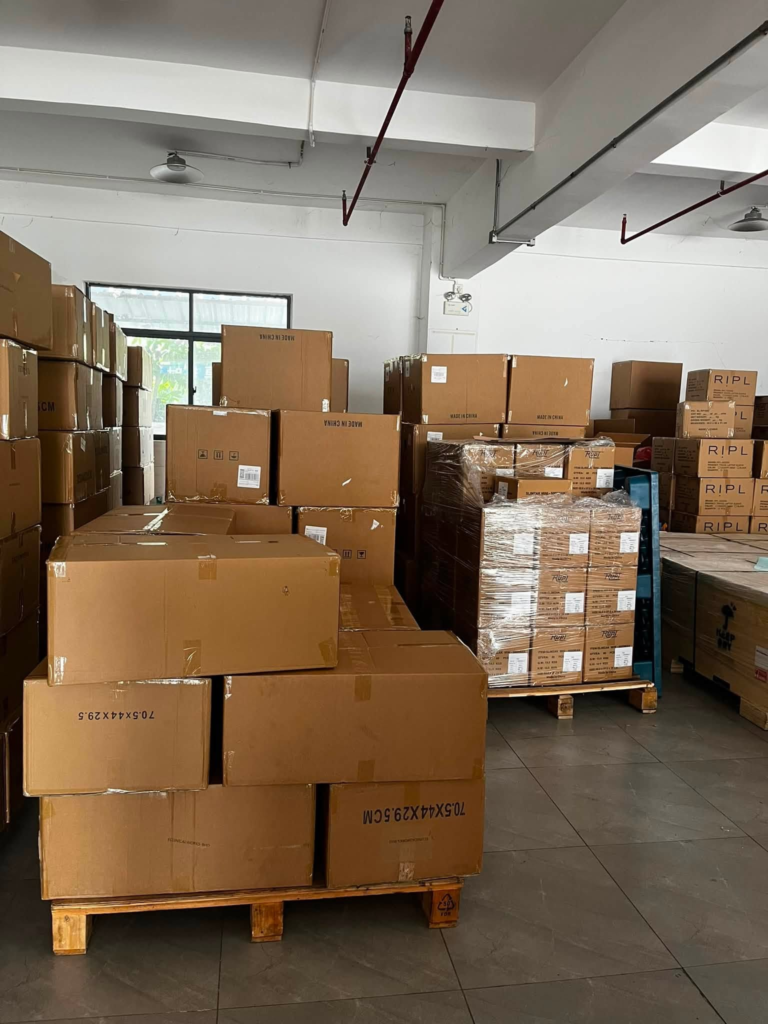
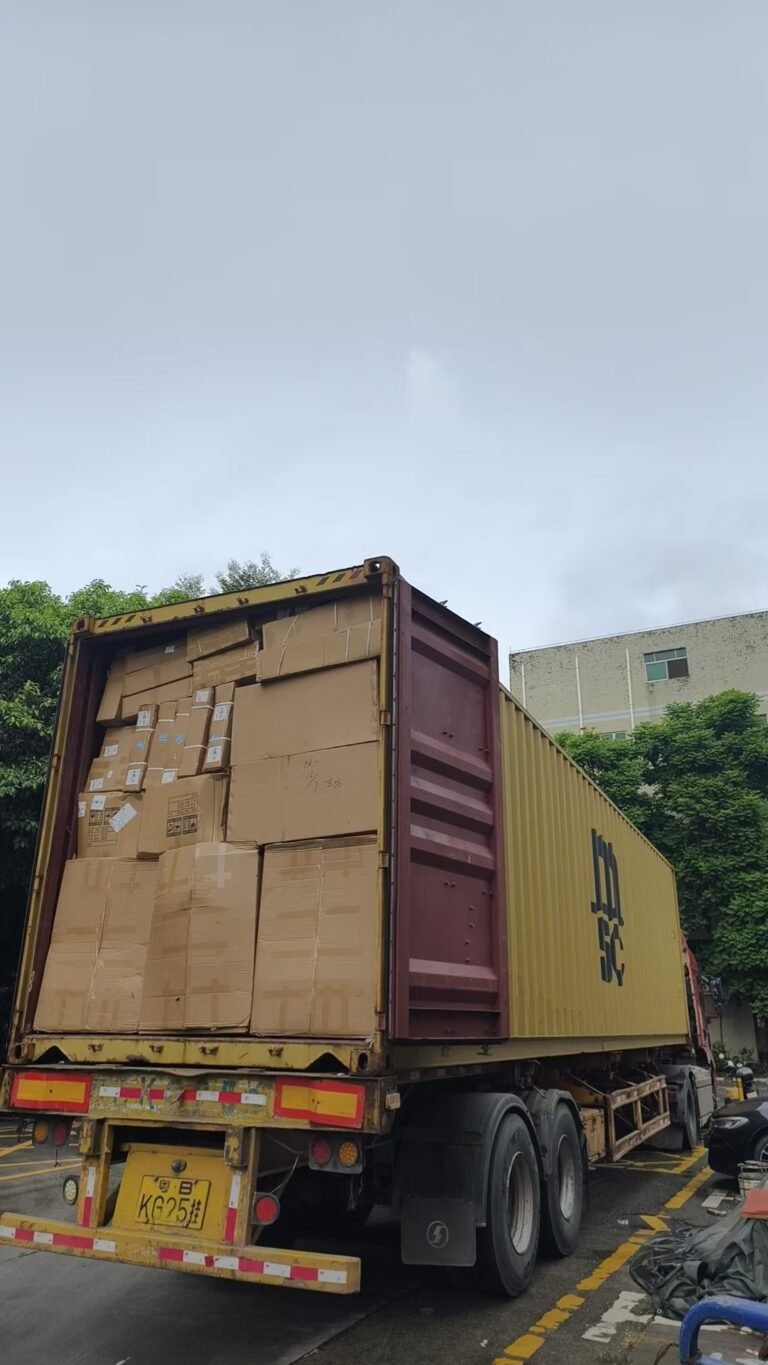
Two years ago, I imported a batch of home goods from a supplier in Foshan. The freight forwarder I chose quoted me $1,850 for a 20ft container to Genoa. Great price. The next cheapest was $2,300. I felt smart.
Then the container arrived. And the real costs started.
The forwarder hadn‘t filed the CONAI packaging declaration. Italian customs held the container for six days. Storage fees: €340. Then they told me my commercial invoice needed the Italian translation of the product description — something they “forgot” to mention. Another three days. Another €180.
By the time my goods cleared, I’d paid $2,650 — more than the quote I rejected.
That was the last time I chose a forwarder based on price alone.
Here‘s what I’ve learned since then about shipping from China to Italy — and what actually matters if you‘re importing regularly.
The Real Cost of a “Cheap” Quote
Most freight forwarders quote you port-to-port. That number looks great on paper. But your actual landed cost includes:
- Terminal handling charges (THC) at both ends — €150-€250 per container in Italy
- Documentation fees — €50-€100 per shipment
- Customs clearance — €80-€150, unless you’re doing it yourself (don‘t)
- Import VAT — 22% on the CIF value plus duty
- The new €3 flat duty per item — effective July 2026
- Storage fees — the silent killer. €40-€80 per day if your paperwork isn’t clean
- Final delivery — €200-€400 depending on distance from port
Add those up, and a “cheap” $1,850 port-to-port quote becomes a $3,000+ real cost. Meanwhile, a DDP quote at $2,800 that includes everything starts looking like the smarter choice.
Ask any importer who‘s been doing this for a few years. They’ll tell you the same thing: the quote is not the cost.
What I Look for Now
After two bad experiences, I changed my criteria. Here‘s what I check before I send money to any freight forwarder:
1. Do they actually know Italian customs?
Not “EU customs.” Italian customs. There’s a difference. Italy has its own rules — the CONAI packaging mark, the Italian-language product descriptions, the €2 administrative levy that kicked in this year. A forwarder who treats Italy like any other EU country is going to miss things.
2. Can they provide a DDP quote?
DDP — Delivered Duty Paid — means one price that covers everything: freight, customs, duty, VAT, delivery. If a forwarder can‘t offer DDP, it tells me they don’t have the local infrastructure to handle Italian clearance properly.
3. Do they have real reviews from Italian importers?
I look for specific feedback. Not “great service” — but “cleared my Genoa shipment in 4 days” or “handled the CONAI issue for me.” Generic reviews tell me nothing.
4. Will they put everything in writing?
The forwarder who messed up my Foshan shipment gave me verbal assurances. “Don‘t worry, we handle everything.” When things went wrong, those assurances meant nothing. Now I ask for a written scope of work — what they’re responsible for, what I‘m responsible for, what happens if there‘s a customs delay.
5. Do they ask about my product?
A forwarder who doesn‘t ask what you’re shipping is a red flag. Textiles, electronics, food-contact items, and cosmetics all have different customs requirements in Italy. A professional asks questions before quoting.
The Shipment That Changed My Mind
Last year, I had a mixed container — textiles, kitchenware, and some small electronics — headed to Milan. My old forwarder quoted $3,200 port-to-port. But after my previous experience, I wanted DDP.
I found a China-based forwarder through a Reddit thread. Their DDP quote was $4,100. More expensive, yes. But it included:
- Pickup from my three different suppliers
- Consolidation at their Shenzhen warehouse
- Export clearance in China
- Ocean freight to Genoa
- Italian customs clearance
- Duty and VAT payment
- Delivery to my warehouse in Milan
The shipment cleared customs in four days. No storage fees. No surprise charges.
I paid $900 more than the port-to-port quote. But I saved at least $600 in hidden costs and a week of my time. And more importantly, my customer got their order on time.
That $900 was the best money I spent all year.
What I Tell Every New Importer
If you‘re shipping from China to Italy for the first time, here‘s the short version:
Don‘t choose the cheapest quote. Choose the one that‘s transparent about what‘s included.
Ask for a DDP quote. Compare it to the port-to-port quote. Do the math on hidden costs.
Check their knowledge of Italian customs. Ask them about CONAI, Italian-language invoices, and the €3 per-item duty. If they don‘t know, keep looking.
Start with a small shipment. Test the forwarder before you trust them with a full container.
Get everything in writing. Verbal promises are worthless when customs is holding your goods.
If You‘re Tired of Guessing
I don‘t work for a freight forwarder. I‘m not getting paid to write this. But I do know that finding a reliable partner changed my business.
We ship from China to Italy regularly — Genoa, La Spezia, Milan, Rome. If you want a quote that actually tells you the full landed cost, no surprises, we‘re happy to put one together.
📦 Get your free quote now and let‘s see if we‘re a good fit.
Disclaimer: This is a personal account based on my own import experience. Rules and rates change — always verify current requirements with your forwarder before shipping.