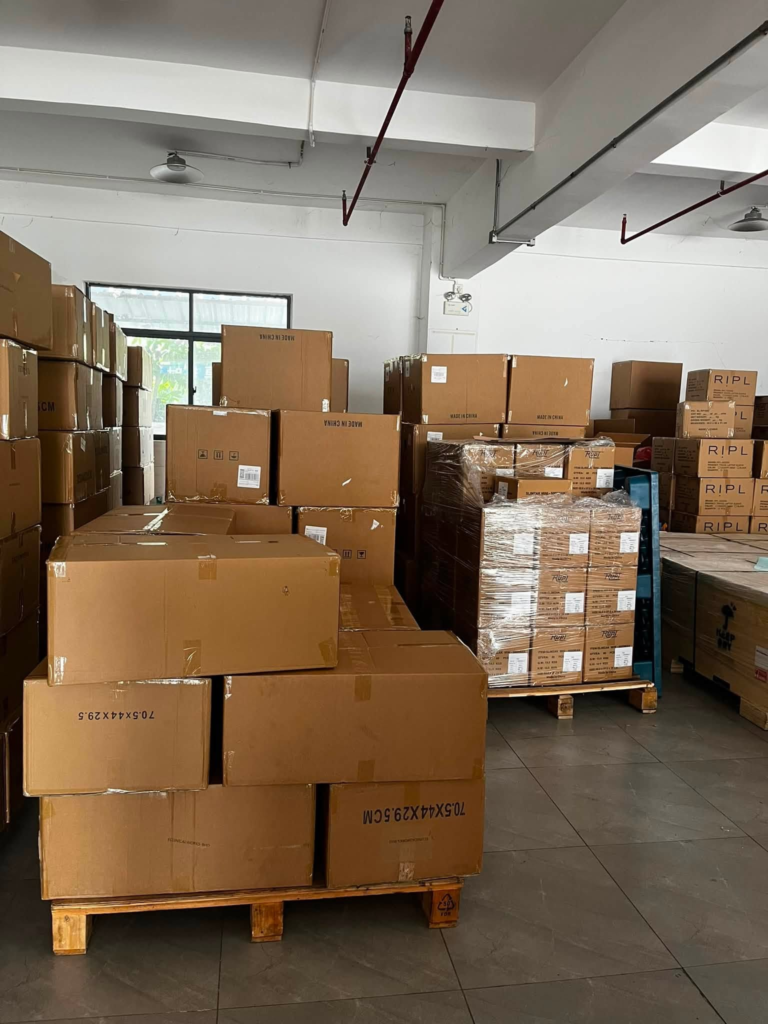

Shipping from China to Germany isn‘t like shipping to any other EU country. One wrong HS code, one missing ATLAS filing, and your container sits in Hamburg for a week while the storage fees pile up.
Let me tell you about my first German client. He ran a mid-sized electronics import business near Düsseldorf. We‘d done three successful sea shipments together — smooth, no issues. Then in early 2026, I sent a 40HQ container of phone accessories to Hamburg. I thought it would be routine.
It wasn‘t. The container got flagged. The HS code we used didn‘t match Germany‘s updated TARIC classification. Four days of storage fees later, my client called me. Not angry — just worried. “Can you fix this, or should I find someone else?”
I fixed it. But that call taught me something: Germany punishes carelessness. Since then, I‘ve shipped for two long-term German clients across air, sea, rail, truck, and express courier — and I‘ve learned exactly where the pitfalls are. Here‘s what I wish I‘d known from day one.
Client One: The Electronics Seller Who Needed Speed
My first German client — the one from Düsseldorf — sells consumer electronics. Small, high-value, time-sensitive. For him, sea freight was never an option. We used air freight exclusively.
China to Germany air freight cost typically runs $4 to $10 per kg, depending on weight tier and service level. For shipments of 100-300 kg, door-to-door rates land around €7.56 per kg. Transit time is 3-7 days airport-to-airport, or 5-9 days door-to-door.
But here‘s what the quotes don‘t tell you: Germany requires advance electronic customs filing through the ATLAS system before the goods can be released. That means all your documentation — commercial invoice, packing list, air waybill, HS codes, EORI number — must be ready before the plane lands. If anything is missing or inconsistent, the cargo sits.
We learned to file ATLAS declarations in advance so clearance happened the same day. For my client, that meant his electronics hit his warehouse within 6 days of leaving Shenzhen. For a product with tight retail windows, that speed justified the premium.
The lesson for air freight to Germany: It‘s fast, but only if your paperwork is flawless. Hire a forwarder who knows ATLAS — not just “EU customs.”
Client Two: The Furniture Brand That Used Everything
My second German client is a furniture brand based in Munich. They source from multiple factories in Guangdong and Zhejiang. Over the past year, we‘ve used every transport mode available — sea, rail, truck, and express courier — depending on urgency, volume, and cost.
Sea Freight: The Workhorse
For their bulk orders — sofas, shelving units, dining tables — sea freight is the only viable option. A 40ft container from Shanghai to Hamburg runs roughly $3,200 to $4,500, with transit times of 25-40 days. Sea freight LCL to Germany rates hover around $45-$130 per CBM depending on volume. Ocean transit from Shanghai to Hamburg is typically 28-32 days door-to-door.
Hamburg handles over 70% of China-Germany containerized trade, which means frequent sailings and competitive rates. But the hidden costs can surprise you. Terminal Handling Charges (THC), demurrage if clearance takes too long, and the 19% German import VAT on the CIF value plus duty all add up.
For a furniture shipment valued at €40,000, the VAT alone is €7,600. My client budgets for this now, but first-timers often don‘t. For a detailed breakdown of how import VAT is calculated — from customs value to final tax owed — see our Italy shipping experience, where we walked through the same calculation for a different EU market.
Rail Freight: The Middle Ground
When my furniture client needs something faster than sea but cheaper than air, we use rail. China to Germany rail freight transit time has become remarkably efficient — the Xi‘an to Duisburg route now takes 11 days for scheduled services, down from 15 days previously.
Standard rail transit from China to Germany runs 12-18 days door-to-door, at costs of $2.80 to $5.00 per kg. For mid-value, time-sensitive cargo — say 5-25 CBM — rail is often the perfect fit.
One thing to note: rail shipments to Germany arrive at hubs like Duisburg or Hamburg, then clear customs via ATLAS before final truck delivery. The customs process is the same as sea or air — EORI, TARIC codes, commercial invoice, packing list, certificate of origin.
Truck Freight: The Overland Option
For urgent shipments that still need ground transport flexibility, we occasionally use truck freight via the China-Europe land bridge. Transit times run 18-22 days door-to-door, with costs between rail and air.
This route works well for medium-sized shipments that need faster delivery than sea but can‘t justify air freight costs. The truck clears customs at the EU border before continuing to Germany.
UPS and DHL Express: The Emergency Button
Sometimes my furniture client needs a sample or a small batch in 3-5 days. That’s when we use UPS or DHL express. Yes, it‘s expensive — rates can hit $6-$12 per kg — but for urgent restocks or high-value samples, the speed justifies the cost.
DHL and UPS both handle customs clearance as part of their service, filing through ATLAS and paying import VAT on your behalf. You‘ll see the charges on your invoice later, but the goods arrive fast.
Shipping Methods Compared: Air vs Sea vs Rail vs Truck vs Express
| Method | Transit Time | Cost Range | Best For |
|---|---|---|---|
| Air Freight | 3-7 days | $4-$10/kg | Urgent, high-value, 100-300 kg |
| Sea Freight (FCL) | 25-40 days | $3,200-$4,500/40ft | Bulk orders, 15+ CBM |
| Sea Freight (LCL) | 30-45 days | $45-$130/CBM | 1-15 CBM, cost-sensitive |
| Rail Freight | 12-18 days | $2.80-$5.00/kg | Mid-value, time-sensitive |
| Truck Freight | 18-22 days | Between rail and air | Urgent, medium-sized |
| Express (DHL/UPS) | 3-5 days | $6-$12/kg | Samples, urgent small batches |
The 2026 Rule Changes That Caught Everyone Off Guard
Here‘s what changed this year — and what every German importer needs to know.
The €150 duty exemption is gone. As of July 1, 2026, the EU abolished the duty-free threshold for low-value shipments. Now, a flat €3 customs duty per item applies to shipments under €150. For high-volume, low-value orders — phone cases, accessories, small gadgets — this adds up fast. The rule applies to all consignments with an intrinsic value of €150 or less, regardless of the VAT regime used.
Import VAT remains 19%. Germany applies Einfuhrumsatzsteuer (EUSt) at 19% on most goods, calculated on the CIF value plus duty. The formula is: VAT = (Customs value + Customs duty) × 19%. A reduced rate of 7% applies to books, food, and certain other categories. All goods imported into the EU are generally subject to VAT, and the main customs offices administer this through the electronic ATLAS system, usually together with duty on a single combined assessment notice.
ATLAS is mandatory. All imports into Germany from outside the EU require electronic customs declaration through the ATLAS system before the goods can be released. Your forwarder needs a valid EORI number with the DE prefix — not the VAT number, which is a common mistake. The EORI number consists of up to 17 characters and begins with the two-digit country code of the EU member state that issues it.
ICS2 Release 3 is now enforced. All shipments must comply with advance ENS filing. For sea freight, this means submitting entry summary declarations 24 hours before loading at the Chinese port.
What Actually Matters When Choosing a Forwarder for Germany
After two years and two clients, here‘s my shortlist of what to check:
Do they know ATLAS? Germany‘s customs system is not the same as other EU countries. A forwarder who handles Germany regularly will file ATLAS declarations without prompting.
Can they provide a DDP quote? DDP shipping to Germany door to door means one price covering freight, customs, duty, VAT, and delivery. For importers without a German entity or EORI number, DDP is often the simplest path. If you‘re also importing to other EU countries, the same principles apply — see our Italy shipping experience for a comparison of how DDP works in a different EU market.
Do they understand TARIC codes? Germany uses the EU TARIC system for tariff classification. TARIC is a multilingual database integrating all measures relating to the Common Customs Tariff and commercial and agricultural legislation, ensuring uniform application across all EU countries. Wrong codes mean wrong duty rates — or worse, customs holds. If you also source from platforms like Taobao, the same care applies to ensuring correct product descriptions and values — see our Taobao shipping to US guide for a parallel example.
Do they know the difference between Hamburg and Bremerhaven? Both are major German ports, but they have different terminal procedures, congestion patterns, and inland transport connections.
Will they put everything in writing? Verbal assurances about “handling everything” are worthless when customs is holding your goods. Get the scope of work in writing.
Frequently Asked Questions
Q: Do I need an EORI number to import from China to Germany?
Yes. Every importer needs a valid EORI number with the DE prefix. You cannot clear customs without it. If you‘re using DDP shipping, your freight forwarder may use their own EORI, but you‘ll still need one for VAT recovery.
Q: How much is import VAT in Germany?
The standard rate is 19% on most goods. A reduced rate of 7% applies to books, food, and certain other categories. VAT is calculated on the CIF value (cost, insurance, freight) plus any applicable duty. All goods imported into the EU are generally subject to VAT.
Q: What is the ATLAS system?
ATLAS is Germany‘s electronic customs declaration system. All imports from outside the EU must be filed through ATLAS before goods can be released. Your freight forwarder handles this on your behalf. It processes declarations for cross-border goods traffic and the subsequent transfer of goods into a customs procedure.
Q: What is the cheapest way to ship from China to Germany?
Sea freight LCL is the most cost-effective for shipments under 15 CBM. For larger volumes, FCL containers offer better per-unit rates. Rail freight is a middle option — faster than sea, cheaper than air.
Q: How long does sea freight take from China to Germany?
Sea freight from Shanghai to Hamburg typically takes 25-40 days door-to-door, depending on the shipping schedule and customs clearance.
Q: What is DDP shipping to Germany?
DDP (Delivered Duty Paid) means your freight forwarder handles customs clearance, duty, VAT, and delivery. You pay one all-in price with no surprise fees.
Q: What is the €3 customs duty?
Since July 1, 2026, the EU applies a €3 flat customs duty per item on shipments under €150 from non-EU countries, plus 19% import VAT. This temporary measure runs until July 2028.
Q: Can I ship from China to Germany without a German company?
Yes. With DDP shipping, your freight forwarder can act as the importer of record. However, you‘ll need an EORI number if you want to recover import VAT. As a private individual, you generally do not need an EORI number if you file fewer than 10 customs declarations per year.
Q: What is the best freight forwarder for China to Germany?
The best forwarder depends on your shipment type, volume, and budget. Look for experience with ATLAS, TARIC codes, and DDP shipping. Ask for references from German importers.
If You’re Shipping to Germany for the First Time
Here‘s the short version from someone who learned the hard way:
- Get an EORI number before your first shipment. Without it, you can’t clear customs.
- Budget for 19% VAT on top of your product cost. It‘s not optional.
- Consider DDP for your first few shipments. Once you understand the process, you can switch to DDU and handle customs yourself to save money.
- Use rail for mid-value, time-sensitive cargo. It’s the sweet spot between sea and air.
- Work with a forwarder who knows ATLAS. Germany isn‘t like other EU countries. The customs system is specific, and mistakes are expensive.
We ship from China to Germany regularly — Hamburg, Bremerhaven, Frankfurt, Munich, and everywhere in between. Two German clients have trusted us for over a year now, using air, sea, rail, truck, and express courier depending on what each shipment needs. If you want a quote that actually tells you the full landed cost — no surprises — we‘re happy to put one together.
📦 Get your free quote now and let‘s see if we‘re a good fit.
Disclaimer: This is a personal account based on my own import experience. Rules and rates change — always verify current requirements with your forwarder before shipping.